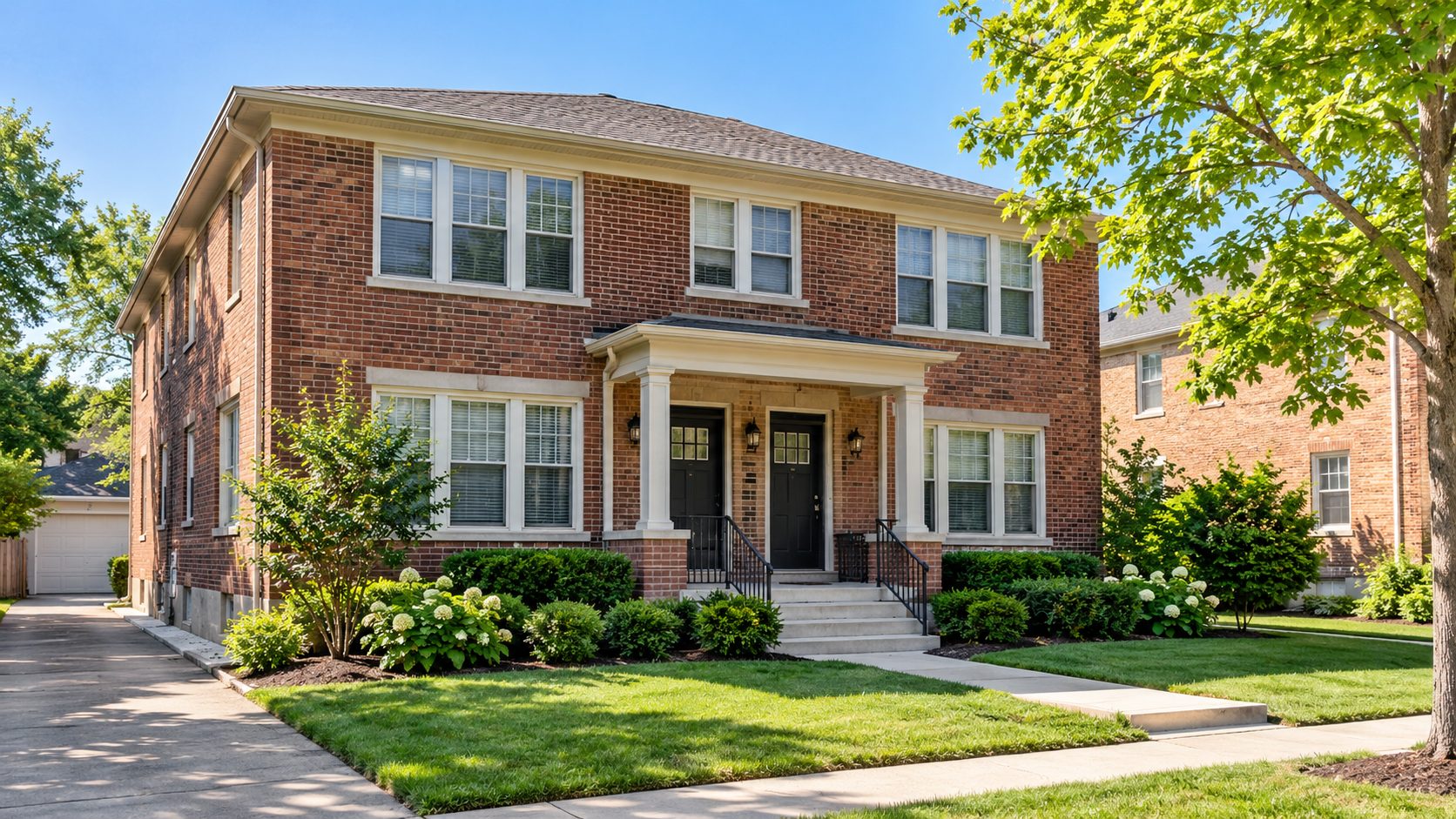
Owning a rental can be a rewarding investment, but managing it is an ongoing job. The question is not simply whether you can collect rent yourself. It is whether you have the time, systems and local resources to protect the property and serve tenants consistently.
What does a residential property manager actually do?
The scope of service varies by company and contract. Most owners need help with some combination of finding tenants, keeping the property maintained, handling financial records and coordinating day-to-day communication. The first step is deciding which responsibilities you want to keep and which you would rather delegate.
- Marketing and leasing: advertising vacancies, coordinating showings, applying written applicant criteria, preparing leases and documenting move-in condition.
- Daily operations: rent administration, tenant questions, maintenance requests, vendor coordination and follow-up.
- Owner reporting: providing statements, maintenance documentation and timely updates about significant decisions.
- Turnover planning: evaluating repairs, cleaning, make-ready schedules and the next leasing strategy.
1. Start with the property and your available time
A nearby single-family rental with reliable systems may be manageable if you can respond promptly, keep careful records and work with dependable contractors. Multiple properties, an out-of-area address or a demanding schedule can change the calculation. Even with one home, consider who will answer an urgent maintenance call while you are unavailable.
Before hiring anyone, write down how many hours you currently spend on inquiries, showings, rent administration, repairs and bookkeeping. Then consider the cost of delays, vacancy and overlooked maintenance—not just your hourly time.
2. Treat leasing as a consistent process
Effective tenant placement involves accurate property marketing, meaningful responses to inquiries, clear screening standards and consistent documentation. Fair housing requirements apply to advertising and applicant interactions, whether the property is self-managed or professionally managed. An owner should understand and approve the screening policy even when a manager handles the day-to-day work.
Discuss who is responsible for applications, screening reports, deposit collection, lease preparation, renewals and move-in condition records. Ask how those steps are documented and how the owner is kept informed.
3. Keep Michigan compliance in view
Michigan regulates residential security deposits, notices and other landlord-tenant practices. For example, the state's Landlord-Tenant Relationship Act generally caps a residential security deposit at one and one-half months' rent and imposes specific notice, documentation and handling requirements. See the Michigan Legislature's landlord-tenant guide and the Michigan courts' summary of landlord-tenant law.
Rental registrations, inspections, safety requirements and local ordinances can vary by municipality. A manager should have a method for identifying the rules that apply to each property; an attorney should advise on legal questions or disputes.
4. Plan maintenance before an emergency occurs
Ask how repairs are received, triaged and approved. Define a spending threshold for owner approval, make sure there is a process for genuine emergencies, and determine how estimates, invoices and photographs will be shared. Good management cannot prevent every repair, but timely reporting and reliable vendor coordination can help keep small issues from becoming more expensive problems.
A clear reserve and vacancy budget also helps. When comparing management proposals, ask whether seasonal maintenance, property inspections, vendor markups and after-hours coordination are included or separately charged.
5. Compare total management cost, not just the monthly percentage
Two management companies can quote similar monthly fees while offering very different services. Ask for a written schedule covering placement charges, lease renewals, inspections, maintenance coordination, accounting, vacancy fees and termination terms. Then compare what each would cost for your likely rental scenario.
- Who communicates with tenants and how quickly are issues escalated?
- Who selects vendors, and when must I approve expenses?
- What do my monthly statements and maintenance records include?
- How are vacancies, renewals and move-outs handled?
- Are there setup, leasing, renewal or cancellation fees?
- What happens if I decide to sell the property?
When does self-management make sense?
Self-management can be reasonable for owners with nearby properties, reliable vendor relationships, consistent availability and the ability to follow applicable rules. Professional management may bring greater value if you live farther away, own several units, are preparing for a major turnover, or prefer a more hands-off investment.
Neither approach is automatically better. A useful test is whether your current process provides consistent tenant communication, protects the home's condition, keeps accurate records and supports your financial goals.
How Oakwick can help
Oakwick works with residential rental owners in Oakland County, Macomb County and the surrounding Metro Detroit area. Depending on the property's needs, the conversation may involve leasing, ongoing management, turnover strategy or preparing a rental for sale. Learn more about residential property management, or review the Oakland County and Macomb County service areas.
Tell us about your rental property, the challenges you're facing and the level of involvement you prefer. We'll discuss whether Oakwick's services are a fit.
Request a Management Consultation Contact OakwickThis article provides general information and is not legal, tax or financial advice. Rules can change and may vary by property and municipality; verify current requirements with the appropriate authority and qualified advisors.